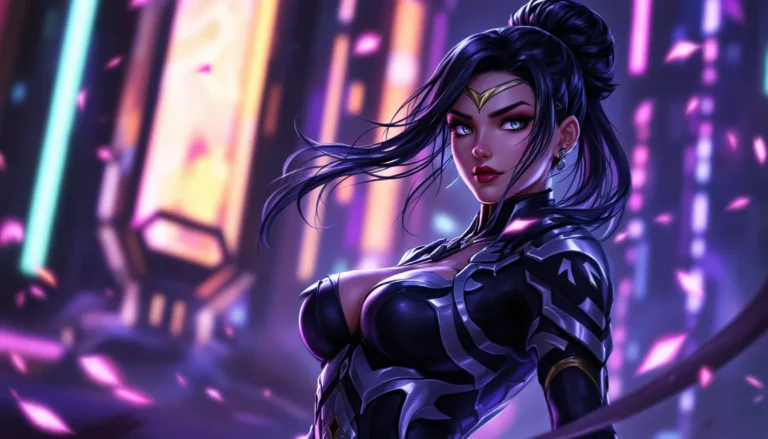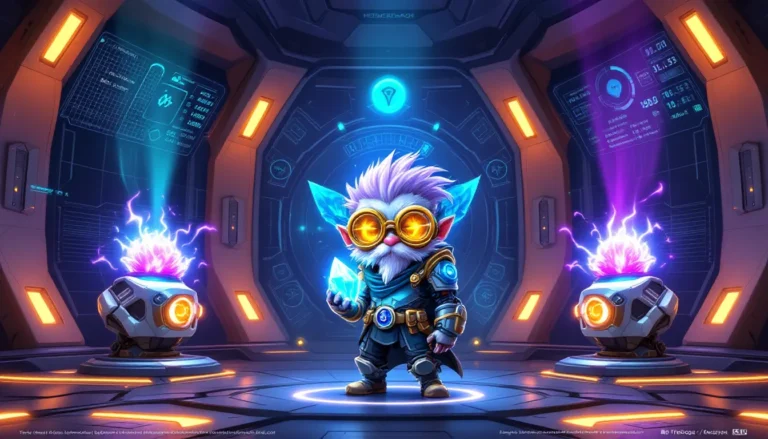

The League of Legends community has been buzzing with speculation for months, and for good reason. After nearly two decades of continuous updates, balance patches, and seasonal content, Riot Games is gearing up to release League of Legends 2, a full sequel that promises to reshape what players know about the game. This isn’t a simple graphics overhaul or a seasonal refresh: it’s a complete reimagining of the foundational systems, engine, and gameplay that defined the original. Whether you’re a casual player, a climbing ranked warrior, or someone invested in the esports ecosystem, League of Legends 2 will fundamentally change how the game feels and plays.
Table of Contents
ToggleKey Takeaways
- League of Legends 2 launches in Q4 2026 with a modernized engine, improved graphics, and rebalanced champions while maintaining core five-on-five strategic gameplay.
- The competitive meta will shift dramatically, requiring pro teams and players to rebuild their practice frameworks and adapt quickly to new champion power levels and playstyles.
- Legacy accounts and cosmetics will transfer to League of Legends 2, though skins may receive visual updates or legacy versions due to the new graphics engine.
- Server stability and player migration will occur gradually with parallel servers running, allowing millions of players to transition without fragmenting the community.
- System requirements are more demanding, with modern gaming PCs (RTX 2060 or better, 16GB RAM, SSD) recommended for optimal performance.
- Start preparing now by auditing your account, learning timeless fundamentals like wave management and vision control, and signing up for beta testing in Q3 2026 to gain early meta knowledge.
What Is League of Legends 2?
League of Legends 2 isn’t a world-shattering departure from the original formula, but it’s far more ambitious than an expansion or season update. Riot is rebuilding the game from the ground up, starting with a modernized engine that can handle increased graphical fidelity, improved performance on all platforms, and a smoother overall experience. The core identity remains, five-on-five strategic combat, tower destruction, objective control, but nearly every system underneath has been reengineered.
The sequel addresses long-standing complaints within the community. Performance issues on lower-end systems, aging animation frameworks, and limitations in the current codebase have all contributed to development bottlenecks. League of Legends 2 aims to solve these problems while maintaining the competitive integrity and strategic depth that made the original iconic. It’s been confirmed that the game will launch on PC, PlayStation 5, Xbox Series X/S, and eventually Nintendo Switch, making it more accessible than the original ever was.
Expected Release Date and Timeline
While Riot hasn’t locked in an exact release date, the consensus from official announcements points to a beta period beginning in Q3 2026, with a full public launch slated for Q4 2026. This timeline gives the developer time to test server stability, balance champion kits, and address community feedback before the game reaches the broader player base.
The phased rollout is intentional. Closed beta access will likely be limited to players in specific regions and a select pool of content creators, with an open beta following in late summer. This staggered approach helps Riot identify critical bugs and network issues before launch while building hype through streamer coverage and community engagement. Players should expect account migrations and cosmetic transitions to begin in the months leading up to the full launch, with exact deadlines communicated well in advance.
Key Features and Gameplay Improvements
Engine Overhaul and Graphics
The most visible change is the shift to a modern, unspecified proprietary engine (details remain under wraps, but speculation points toward tech that mirrors recent fighting game and MOBA improvements). This translates to significantly improved frame rates, reduced input lag, and better handling of particle effects and ability animations. The visual upgrade is substantial without abandoning the art style players recognize. Champions will have updated model fidelity, ability effects will feel snappier, and the overall visual language remains distinctly League while looking competitive with contemporary AAA titles.
Performance gains are particularly important for competitive play. Reducing input latency by even a few milliseconds can shift the outcome of skirmishes. Esports organizations and pro players have already emphasized that the new engine must not introduce inconsistencies in hit registration or ability responsiveness, and Riot’s internal testing has reportedly met these demands.
Champion Design and Balance System
Every champion will be rebalanced for League of Legends 2. This doesn’t mean every kit gets redesigned, but every ability has been reassessed in the context of the new engine and updated game mechanics. Some champions will receive mild number tweaks, while others, particularly those with outdated kits or balance nightmares in the original, will get significant updates.
The balance philosophy has also shifted. Riot emphasized that they’re moving away from “overloaded” kits where champions have too many tools crammed into four ability slots. New champions and reworks will prioritize clearer strengths and weaknesses, making matchups more legible and decision-making less dependent on RNG or invisible stat checks.
Ability cooldown timings, mana costs, and damage numbers will differ from the live servers. Players shouldn’t expect a 1:1 copy of the current meta. Testing in beta will likely reveal that your favorite pick needs a different build path or playstyle, so flexibility and adaptation are essential.
Map and Game Mode Enhancements
The Summoner’s Rift map, League’s primary playing field, receives a visual and mechanical refresh. Jungle routing remains recognizable, but the terrain, vision mechanics, and objective placement have been tweaked for better gameplay flow. Riot has also committed to supporting additional game modes at launch, including ARAM and other alternative play experiences.
Objective timings and reward values may shift to prevent certain strategies from becoming “solved.” The Dragons, Baron, and minion wave mechanics are all candidates for adjustment. These changes might seem subtle but can dramatically impact macro play and how teams approach mid-game rotations.
What to Expect From the Esports Scene
The esports implications of League of Legends 2 are massive. International tournaments have been held annually for over a decade, and the competitive ecosystem is worth billions globally. Riot has already signaled that League of Legends esports schedules and team coverage will transition to League of Legends 2 within the first competitive season of the new game.
Pro players and organizations are preparing intensively for the meta shift. Teams will need to rebuild their practice frameworks, redesign their champion pools, and adapt to potential playstyle changes. The first competitive season on League of Legends 2 will likely crown a new champion unless teams with exceptional talent for adaptation dominate early. Expect patch notes to be more frequent during this initial period, as Riot balances the competitive landscape.
The skill expression should remain high, Riot has committed to maintaining mechanical depth and strategic complexity. But, the specific nature of that skill expression may evolve. A champion that required frame-perfect combos in the original might have a more accessible execution window in League of Legends 2, while another might demand tighter positioning and micro-management.
For esports fans, this is exciting but unpredictable. Upsets are likely, established powerhouse regions might stumble during the transition, and new teams could exploit unfamiliar meta territory before it gets solved.
How Legacy Accounts and Cosmetics Will Transition
One of the most critical questions for the player base: what happens to my account and my skins? Riot has confirmed that players with existing League of Legends accounts will carry over their summoner name, account history, and a portion of their cosmetics to League of Legends 2. But, the transition isn’t automatic or one-to-one.
Skins will be assessed for compatibility. Skins created with the original engine’s constraints might not work perfectly with the new graphics system. Riot’s approach is to ensure players don’t lose what they’ve paid for, but some legacy skins may receive visual updates or be offered as “legacy” versions that prioritize authenticity over modern graphical quality. Players will have the option to use either version where applicable.
Blue Essence and Riot Points will convert at a fair exchange rate. Ranked rewards, mission progress, and seasonal achievements will be documented and honored in the new game, though the specific mechanics of how ranked progression works in League of Legends 2 may differ slightly.
Players should not expect every cosmetic to appear identical to its original form. The creative team is taking the opportunity to refresh certain skins, ensuring they align with the new visual style. This affects prestige skins, event skins, and legacy content. Official guidance will be released detailing exactly what each cosmetic type can expect.
Challenges and Community Concerns
Player Base Migration and Server Stability
The biggest logistical challenge is moving millions of players from the live servers to League of Legends 2 without fragmenting the community. Riot’s solution is a gradual transition period where both games run in parallel, allowing players to migrate at their own pace. But, this creates potential issues with matchmaking queue times on the original game as the player base dwindles.
Server stability is another major concern. When World of Warcraft expanded with The Burning Crusade, launch day saw massive queue times and login errors. Riot is acutely aware of this history and has invested heavily in infrastructure scaling. The phased beta and regional rollouts are specifically designed to catch server-side issues before they impact the entire global player base.
Queue times during the transition period could spike, particularly during peak hours in major regions. Players should prepare for potential downtime and be patient during the early weeks of the full launch.
Competitive Balance and Meta Shifts
The meta, the current optimal strategy, will shift dramatically. This is both exciting and dangerous. If Riot misjudges certain champion power levels, we could end up with a “5-ban meta” where five champions are so overtuned that they need instant nerfs. This happened before: it can happen again.
The meta analysis and champion builds at competitive gaming guides will become outdated almost immediately. Any current tier lists, guide videos, or build recommendations won’t apply to League of Legends 2. Content creators will need to rebuild their entire playbooks from scratch during the beta period.
Competitive integrity concerns are valid. If the new engine introduces even subtle differences in how abilities register or how ping impacts gameplay, it could unfairly advantage certain regions or playstyles. Riot has emphasized extensive testing with pro players, but real-world matches always reveal edge cases that laboratory testing misses.
Preparing for League of Legends 2
What Players Should Do Now
Start by auditing your account. Check your cosmetics, ranked badge, and mission completion status. Take screenshots or videos of your skins and loading screen art if they’re meaningful to you: this serves as documentation if migration issues arise. Review Riot’s official cosmetic transition guide once it’s released to understand what you’ll retain and what might change.
Familiarize yourself with League of Legends fundamentals that transcend the engine. Understanding wave management, vision control, macro rotations, and objective priority will transfer directly to League of Legends 2. The game mode might change, but the strategic depth should remain intact. Focus on developing adaptability and learning how to learn quickly, because the meta will demand it.
Keep an eye on beta announcements and sign up for testing when applications open. Being part of the beta gives you a head start on understanding the new meta while your feedback can directly influence balance adjustments before the full launch. Even if you don’t get accepted, watching beta streams and pro player content creation will help you hit the ground running when League of Legends 2 goes live.
Consider how League of Legends games and match duration might shift with the new engine and balance changes. Game length could increase or decrease depending on early game snowball mechanics and how teamfighting power curves out. Prepare mentally for games that feel structurally different from what you’re used to.
System Requirements and Technical Readiness
League of Legends 2 will be more demanding than the original. While the game is being optimized for lower-end hardware, a modern gaming PC (RTX 2060 or better, 16GB RAM, SSD storage) is recommended for high frame rates at 1440p or 4K. Console players on PlayStation 5 and Xbox Series X/S should expect performance modes that lock at 120+ fps for competitive play, with fidelity modes offering higher visual quality at 60 fps.
Check your internet connection stability. With the shift to modern netcode, any inconsistencies in your connection (packet loss, jitter) will be more noticeable. A wired connection remains the gold standard for competitive play. If you’re considering a hardware upgrade, now is the time to evaluate your setup.
Storage space will be important. Modern AAA games regularly exceed 100GB, and League of Legends 2 could land in that range depending on how much visual content ships at launch. Make sure you have adequate SSD space, as playing from a mechanical drive will result in longer load times and potentially stuttering.
Download how much space League of Legends takes up information once the official requirements are published. Knowing exact specs will help you plan upgrades or troubleshoot issues before launch day.
Conclusion
League of Legends 2 represents a pivotal moment for both Riot Games and the global gaming community. It’s a calculated risk, abandoning the comfort of a proven formula to chase technological and design improvements. The stakes are high, but so are the potential rewards. A successful launch could redefine what a live-service sequel looks like, while a botched transition could alienate the core player base.
The competitive scene will be permanently altered by the shift. Teams that execute rapid adaptation will thrive, while organizations stuck in old meta mindsets will struggle. Esports fans should expect chaos and excitement in equal measure as the meta gets solved and resolved multiple times during the first competitive season.
For casual players and skin collectors, the transition offers a fresh start. Your account transfers, your cosmetics carry over (mostly), and the game you’ve invested time in gets a modern technical foundation. The journey won’t be seamless, but Riot’s transparency about challenges and commitment to a phased rollout suggests they’ve learned from past MMO expansions and competitive gaming launches.
Beta access opens in Q3 2026. Use that time to adapt, test builds, and prepare mentally for meta shifts. When League of Legends 2 goes live in Q4 2026, you’ll want to hit the ground running. The League of Legends competitive community is watching, and so are esports organizations investing millions into teams. This is your chance to be part of a transformation that only happens once in a generation.