
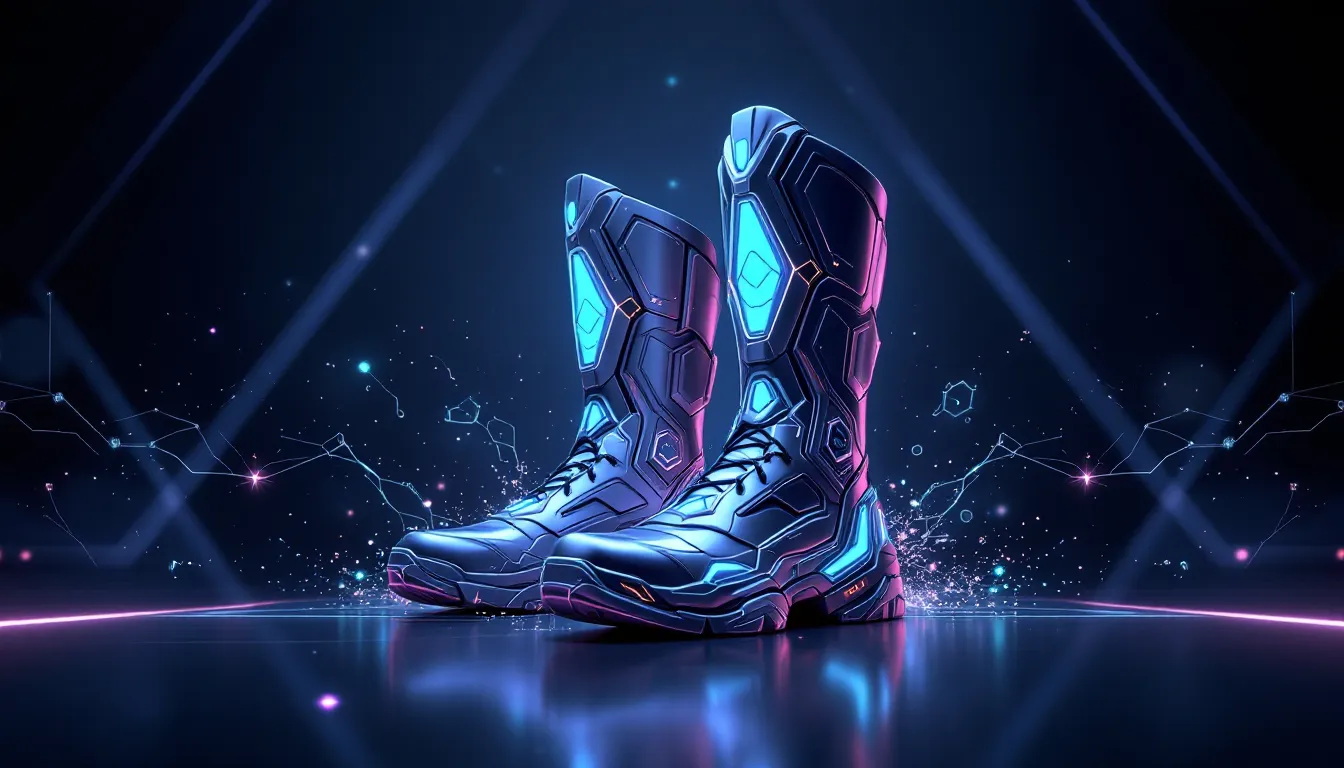
League of Legends skins are about way more than just slapping a new color on your champion. Every detail, from the glint on a blade to the texture of fabric, shapes how you experience a character. And if you’ve ever zoomed in on a loading screen or caught a good angle in-game, you know that feet and lower-body design are way more important to character identity than most players realize. Whether it’s Lux’s sleek boots in her K/DA form, Ahri’s elegant heels in Prestige Skin-Tier offerings, or the armored greaves on battle-hardened champions, footwear and leg cosmetics set the tone for an entire skin’s aesthetic. This guide breaks down why Riot Games obsesses over these details, which skins nail the lower-body design, and how to appreciate the craftsmanship that makes League of Legends skins some of the most visually distinct cosmetics in gaming.
Table of Contents
ToggleKey Takeaways
- League of Legends feet and lower-body design are critical components of champion identity, communicating character personality, role, and thematic direction through boots, armor plating, and footwear aesthetics.
- Iconic skins like Caitlyn’s Officer skin, Ahri’s K/DA boots, and Lux’s Prestige K/DA design showcase how Riot Games uses footwear to anchor visual storytelling and reinforce character fantasy across the cosmetic ecosystem.
- Fashion-forward skin lines like K/DA, True Damage, and Debonair emphasize meticulous lower-body design, while Prestige skins invest in intricate boot details with precious metals and crystalline elements to justify premium pricing.
- Practice Tool camera angles and splash art provide the best opportunities to appreciate League of Legends feet details, revealing intricate design work that in-game perspectives often obscure during regular gameplay.
- Even non-humanoid champions like Rek’Sai and Aurelion Sol receive thoughtful lower-body cosmetic design work, proving Riot’s commitment to visual excellence across the entire champion roster.
- Player communities and content creators dedicate significant attention to cosmetic appreciation, with the rising bar for detail work influencing how future League of Legends skins will be designed and perceived.
Why Feet and Lower-Body Design Matter in League of Legends
The Role of Visual Details in Champion Identity
When you first-pick a champion in ranked, your teammates see a silhouette, a splash art, and a skin choice. That skin choice communicates everything about your character: their personality, their role in the world, their power level. Lower-body design, boots, armor plating, leg wraps, hooves, fins, or whatever Riot’s art team dreams up, is a massive part of that language. A champion wearing combat boots reads completely different from one in ornate heels, even if they’re the same character.
Riot’s design philosophy emphasizes visual clarity and silhouette distinctiveness. Every champion needs a strong, readable shape from a distance so you know exactly who you’re facing. Feet are the foundation of that silhouette. They anchor a champion’s stance, communicate their moveset (a nimble assassin’s small, pointed boots versus a tank’s heavy, planted footwear), and make splash art instantly memorable. When you see Caitlyn’s iconic calf-high boots in her Officer skin, you’re not just looking at footwear, you’re seeing confidence, authority, and tactical readiness.
The details also matter for narrative consistency. A champion’s feet tell you where they come from. Spirit Guard Udyr’s bone-wrapped feet feel primal and shamanic. Star Guardian Soraka’s hover-boots suggest advanced technology and otherworldly design. These aren’t random choices: they’re deliberate storytelling beats that make the world of Runeterra feel coherent and real.
How Riot Games Uses Footwear in Skin Thematic Design
Riot doesn’t design skins in isolation. Each skin line, K/DA, Project, Star Guardian, Cosmic, has a distinct visual language, and footwear is part of that DNA. The K/DA skin line, for instance, emphasizes modern, edgy fashion. Luxanna Crownguard in K/DA looks nothing like her base skin: she’s got sharp, futuristic boots with exaggerated proportions that scream “pop star.” The footwear matches the attitude: sleek, confident, and instantly recognizable.
Compare that to the Prestige skins, which lean into luxury and exclusivity. Prestige forms often feature intricate detailing on boots and leg armor, precious metals, crystalline structures, refined materials that just feel expensive. The foot design in Prestige skins is deliberately more elaborate than their non-Prestige counterparts, signaling their rarity and status within the game’s cosmetic hierarchy.
Armored skin lines like PROJECT or Pulsefire use boots and leg design to communicate technological integration. Boots aren’t just protection: they’re part of a champion’s combat loadout. They have mechanical elements, exposed circuitry, or futuristic angles. Pulsefire Ezreal’s boots look like they could actually propel him across the Rift at hypersonic speeds.
Riot also uses footwear to signal faction affiliation. Hextech Academy skins have a distinct boot aesthetic that ties them to Piltover’s industrialized, arcane-tech culture. Blood Moon skins use ornamental foot wraps and sandals that evoke East Asian folklore. When Riot designs a new skin line, footwear is one of the first visual decisions they lock in, it anchors everything else.
Popular League of Legends Skins with Standout Feet and Footwear
High-Heeled and Stylish Boot Skins
Some of the most iconic skins in League of Legends feature distinctive heel designs that instantly make them recognizable. Caitlyn’s Officer skin is a masterclass in boot design, her calf-high tactical boots perfectly capture her enforcer aesthetic and are instantly visible from across the map. They’re detailed enough to appreciate in splash art but readable at in-game distances.
Ahri’s K/DA and K/DA All Out skins showcase sleek, high-heeled boots that complement her pop-star persona. The heels on these skins are proportioned for fantasy (not realistic), with sharp angles and neon accents that match the overall K/DA aesthetic. They’re the kind of cosmetic detail that makes players want to load into Practice Tool just to see them in action.
For pure elegance, Lux’s Prestige K/DA skin stands out. The boot design combines futuristic and luxe elements, they’re high-heeled but also tech-integrated, with holographic effects. It’s the kind of detail that Riot gets right when they’re targeting premium cosmetics.
Miss Fortune’s Gun Goddess skin features combat-ready boots with metal plating and a slight heel, practical enough for a bounty hunter, stylish enough to feel legendary. The footwear communicates her character’s personality: tough, confident, and fashionable.
Armored and Combat-Focused Foot Designs
When you’re talking about tanks and warriors, footwear becomes functional armor. Mordekaiser’s Infernal skin features heavily plated boots that look forged in hellfire. They’re massive, intimidating, and read as pure threat from a distance. That’s intentional, his feet need to look as strong as his armor.
Garen’s Dreadknight skin wraps his feet in dark, ornamental armor that matches his oppressive fantasy. The boot design is intricate without being flashy, it fits a fallen knight aesthetic perfectly. Every curve and spike tells a story.
Sejuani’s True Damage skin mixes armored elements with modern streetwear vibes. Her boots are heavy-duty and functional while still feeling fashion-forward. It’s a tricky balance, she needs to look lethal in combat, but the skin is also part of a trendy, urban-focused skin line.
Rek’Sai’s Eternal Empress skin (though not humanoid) features intricate detailing on her lower extremities, the chitinous plating and hook-claws suggest a creature both regal and dangerous. Even non-humanoid champions get thoughtful lower-body design work.
Fantasy and Thematic Footwear Aesthetics
The Star Guardian and Spirit Blossom skin lines demonstrate how footwear can carry entire thematic worlds. Star Guardian Soraka hovers in sleek, alien boots with propulsion effects, they look advanced and otherworldly without being cold or mechanical. The design makes her feel like she belongs in a space-opera narrative.
Spirit Blossom Thresh features wraithlike, ethereal leg coverings that seem almost spectral. His feet are barely anchored to reality, which matches his character’s liminal status between life and death. This is footwear design that reinforces lore and personality simultaneously.
Elderwood skins use organic, nature-inspired footwear. Elderwood Ahri has delicate, vine-wrapped feet that look like they belong in an ancient forest. The design communicates connection to nature without sacrificing visual clarity or appeal.
Debonair skins lean into sleek, sophisticated footwear, loafers, dress shoes, and refined boots that scream wealth and style. Debonair Jayce wears immaculate loafers that perfectly match his suave, confident aesthetic. It’s a subtle detail, but it’s the kind of consistency that makes premium skins feel premium.
Also worth noting: the how many skins in League of Legends ecosystem is massive, with hundreds of skin options, each with carefully considered lower-body design work.
Champions Known for Distinctive Foot and Leg Designs
Humanoid Champions with Detailed Lower-Body Cosmetics
Certain champions have become iconic because of their distinctive leg and foot designs across skins. Ahri is probably the most obvious example, as a yordle-humanoid mix with a fox tail, her feet carry her character identity. Whether she’s wearing K/DA boots, Spirit Blossom wraps, or her classic paw-like feet, lower-body design is central to how players perceive her. Across her dozens of skins, Riot consistently prioritizes foot detail.
Lux is another champion where boot design matters significantly. Her classic look features sleek, form-fitting boots that communicate her heritage as a mage from Demacia. Prestige and skin-line variations maintain this consistency while adapting to new aesthetics. Officer Lux’s tactical boots read differently from Cosmic Lux’s ethereal footwear, same champion, vastly different visual storytelling.
Caitlyn’s footwear is inseparable from her character fantasy. She’s an enforcer, and her boots, across every skin from Officer to Pulsefire, reinforce that identity. Riot invests heavily in making her feet look tactical, professional, and intimidating. Casual players might not consciously notice, but it’s a major part of why she feels like an enforcer when you’re playing her.
Miss Fortune has equally iconic boots. From Gunslinger to Gun Goddess, her footwear suggests combat readiness and confidence. The design work is consistent but adaptive, no two skins feel like they’re wearing the same boots, yet they all feel like Miss Fortune.
Syndra is a fascinating case because her skin designs vary wildly in lower-body approach. From elegant slippers in her classic form to heavy, otherworldly foot coverings in Prestige skins, her footwear communicates her thematic context. Space Bandits Syndra wears angular, tech-inspired boots: Dunkmaster Syndra has athletic footwear. The variety shows how intentional Riot is about matching cosmetics to their thematic direction.
Non-Humanoid Champions and Creative Foot Alternatives
Not every champion has traditional feet, and that’s where things get creative. Rek’Sai is a void-dwelling creature with hook-claws instead of feet. But Riot still invests in detailing those claws, color variations, texture work, and positioning that communicates power and status. Eternal Empress Rek’Sai has ornamental plating on her claws that looks regal: Battlecast Rek’Sai’s claws are mechanized and aggressive.
Kha’Zix presents a similar challenge, an insect-like predator with talonlike feet. His skins modify the talon design to reflect their theme. Mecha Kha’Zix has mechanical talons: Dark Star Kha’Zix’s feet seem to blur with cosmic energy. Riot could phone it in with non-humanoid champions, but they don’t, every skin gets thoughtful lower-body design work.
Aurelion Sol is a star dragon with no traditional feet at all, yet his skins still feature distinct lower-body cosmetics, stellar energy formations, crystalline structures, or mechanical attachments that anchor him visually. Even when a champion doesn’t have feet in the traditional sense, Riot invests in making their lower extremities visually distinct and thematically coherent.
Sion, in his current VGU form, has massive, plated feet that communicate his revenant nature. His boots are chunks of armor, not delicate footwear, they match his unholy, zombie-like aesthetic. Different skins alter the plating design, color scheme, and detailing, but they all maintain that sense of weight and menace.
Vel’Koz hovers on tentacled appendages instead of walking. But Riot still applies the same design philosophy, each skin variant has distinct coloring and detailing on those appendages, making them visually interesting even though they’re not traditional feet. It’s proof that Riot’s commitment to lower-body design applies across the entire champion roster.
Skin Lines That Emphasize Lower-Body Aesthetics
KDA and Fashion-Forward Skin Lines
The K/DA skin line is arguably the most fashion-conscious in League of Legends. These skins emphasize style above all else, and footwear is a critical component of that philosophy. K/DA skins feature sleek, often heeled boots with exaggerated proportions and neon accents. They’re not meant to be practical, they’re meant to be cool. When Riot releases K/DA skins, foot design gets meticulous attention because these are fashion pieces, and fashion is all about the details.
K/DA All Out pushed the concept further. These skins are even more fashion-forward, with avant-garde boot designs. The footwear is bolder, more colorful, and more expressive. Ahri’s All Out boots are instantly iconic, they communicate confidence and style in a way that subtly influences how players perceive her character.
Other fashion-forward lines like Debonair and True Damage follow similar logic. True Damage leans into street style, so footwear is urban and contemporary. True Damage Ekko wears sleek, tech-inspired sneakers: True Damage Senna wears confident, stylish boots. The line’s footwear choices are deliberate nods to real-world fashion trends.
PROJECT skins, while more militaristic than pure fashion, still emphasize lower-body design through a tech-military lens. These boots look like they belong to soldiers or special ops personnel, functional but sleek.
Prestige and Luxury-Themed Collections
Prestige skins are League’s most premium cosmetics, and their lower-body design reflects that status. Prestige boots feature intricate detailing, precious metals, crystalline elements, and refined materials that just feel expensive. They’re designed to look better than their non-Prestige counterparts, and they do.
Prestige K/DA Ahri has ornamental, gold-accented boots with crystalline detailing. The design screams exclusivity. When you’re paying for a Prestige skin, you’re partly paying for boots like these, cosmetic details that standard skins don’t offer.
Prestige Pulsefire skins similarly emphasize luxury tech aesthetics. The boots have premium plating, high-tech accents, and a visual weight that signals their rarity. Prestige Ezreal’s boots look like they could only be worn by someone with access to advanced technology and unlimited resources.
Hextech skins also prioritize lower-body detail, using crystalline and arcane-tech visual language. Hextech boots look like they’re infused with magical power, glowing runes, floating crystals, ethereal energy. The design work is intricate and visually rewarding.
Star Guardian and Character-Driven Designs
Star Guardian is League’s longest-running skin line, and it’s fundamentally character-driven. These skins tell cohesive stories, and lower-body design is part of that narrative. Star Guardian skins feature futuristic boots and footwear that communicate a space-opera aesthetic. They’re not just cosmetics, they’re costume pieces that anchor characters in an alternate universe.
Star Guardian Soraka wears hover-boots that suggest advanced alien or human-aligned technology. They’re delicate but clearly functional, appropriate for a cosmic guardian. The design makes her feel both otherworldly and powerful.
Star Guardian Neeko and other additions to the line follow similar design principles. The boots have crystalline elements, glowing accents, and futuristic proportions. They’re visually cohesive with the line’s broader aesthetic while remaining character-specific.
Spirit Blossom skins take a different approach, leaning into fantasy and nature themes. Spirit Blossom footwear features organic elements, vine wraps, flower motifs, earthy colors. The design work is delicate and connects these skins to their thematic inspiration. Spirit Blossom Thresh’s ethereal foot coverings are particularly striking, they barely seem to touch the ground, which matches his spectral nature.
For competitive gaming context, tools like Mobalytics provide meta analysis and champion guides that help players understand how cosmetic choices interact with actual gameplay performance, though cosmetics are purely visual. Also, esports schedules and coverage show how professional players showcase these cosmetics on the biggest stages.
How to Appreciate Feet and Footwear Details in League of Legends
Camera Angles and In-Game Perspectives
Here’s the thing: most players never get a good look at champion feet during actual gameplay. The camera angle is positioned behind and above your champion, and you’re focused on minimap positioning, enemy threats, and ability timers. But if you want to appreciate footwear design, Practice Tool is your friend. Load up a custom game, walk your champion toward the camera, and zoom in. That’s when you see the detail work that Riot invests in.
Different champions present their feet at different angles during their animations. Ahri’s walking animation brings her feet into view pretty regularly: Lux’s posture also makes her boots fairly visible. By contrast, Kha’Zix’s aggressive stance makes his talons harder to appreciate during normal gameplay. Knowing which champions have forward-facing lower-body designs helps you actually see what you’ve paid for.
Skill animations also showcase footwear differently. When Caitlyn places a trap, her boots are clearly visible. When she’s walking, they’re less prominent. Understanding champion animations helps you find the best angles to appreciate cosmetic details.
Splash Art and Loading Screen Details
This is where you get the real visual appreciation. Splash art is where Riot’s artists go all-out with detail work. The boots and footwear in splash art are often more intricate than what’s visible in-game due to technical limitations. When a new skin releases, zooming in on the splash art reveals boots, heel heights, material textures, and design elements that the in-game model can’t fully capture.
Loading screens are another detail goldmine. During the 5-minute pre-game timer, you’re staring at a big, high-res version of the champion. If you focus on the lower half of the screen, you’ll catch footwear details, the shine on a boot’s surface, the shape of a heel, the texture of armor plating. Pro players and skin enthusiasts regularly take screenshots of loading screens to appreciate cosmetics.
Riot has gotten increasingly skilled at translating splash art detail into in-game models over the years. Newer skins have more visible boot detailing than legacy cosmetics, simply because the technology has improved. When Riot released the PROJECT and Pulsefire lines, the boot designs were notably more detailed than older skins in those lines, showing technological and artistic progression.
Collector Communities and Cosmetic Appreciation
If you’re serious about appreciating League cosmetics, communities exist specifically for this. Reddit’s r/LeagueOfLegends has regular threads dedicated to skin appreciation, splash art analysis, and detailed cosmetic breakdowns. Players screenshot skins from every angle, zoom into splash art, and discuss design choices in depth.
Tumblr and Twitter communities often share high-res splash art edits and zoomed-in cosmetic details. Artists and fans post detailed analyses of how Riot designed specific skins, including lower-body aesthetics. These communities are treasure troves of information if you want to deepen your appreciation for cosmetic design.
YouTube channels dedicated to League cosmetics often feature slow-motion walkarounds of skins, camera angles, and animation breakdowns. Some content creators dedicate entire videos to single skin lines, highlighting details that most players miss during gameplay.
Engaging with these communities not only helps you appreciate cosmetics more, it also informs your future skin purchase decisions. When you understand what makes certain boot designs iconic, you make more intentional cosmetic investments. Also worth noting: the League ecosystem is vast, and learning about game file sizes and storage requirements helps you manage your client and cosmetics efficiently.
Future Trends in League of Legends Character Design
Evolving Cosmetic Standards and Player Expectations
Riot’s cosmetic quality has evolved dramatically since League’s early days. Players now expect consistent detail work across every cosmetic tier, from budget skins to Prestige variants. Lower-body design is part of that expectation, players notice when boots feel underdetailed or thematically disconnected from a skin’s overall aesthetic.
The bar keeps rising. When Prestige skins first launched, simpler boot redesigns satisfied players. Now, Prestige cosmetics need noticeably enhanced lower-body visuals to justify their premium price. Prestige boots need to look materially different and visually impressive compared to their standard counterparts, and Riot consistently delivers on that.
Technological improvements have enabled increasingly intricate detail work. Modern skins feature boots with particle effects, dynamic lighting, material textures, and animation polish that older cosmetics couldn’t support. A 2019 K/DA skin and a 2026 K/DA skin might follow the same thematic direction, but the boot design in the newer skin is noticeably more polished and detailed.
Player feedback also shapes cosmetic design. If a skin’s footwear receives criticism for being generic or disconnected from the character’s theme, Riot takes note. Community discussions about cosmetic design directly influence future releases. Footwear that feels intentional and distinct gets praised: generic boots get called out.
Moving forward, expect Riot to continue pushing visual fidelity in lower-body design. New champions will likely receive skins with progressively more detailed foot cosmetics. Older champion skins might receive VFX updates that enhance boot visuals and particle effects. The cosmetic space is hypercompetitive, Riot can’t afford to phone it in on any detail, including feet.
Looking at resources like Game8’s tier lists shows how player perception of character design, including visual appeal, influences competitive perception and cosmetic desirability. Strong design creates emotional investment, which drives cosmetic purchases and long-term player engagement.
Also worth considering: understanding how long League of Legends games typically last puts cosmetic appreciation into context. Across a 30-minute match, you’re experiencing your chosen skin’s animations and visuals continuously. That investment in lower-body design compounds over hundreds of games.
Conclusion
Footwear and lower-body design in League of Legends are way more important to cosmetic identity than most players realize. From the moment Riot sketches a skin concept, foot design is part of the conversation. It communicates thematic direction, character personality, and visual hierarchy. Whether it’s Caitlyn’s iconic tactical boots, Ahri’s sleek heels, or the ethereal foot wraps on Spirit Blossom Thresh, these details are deliberate and meaningful.
The depth of cosmetic design in League reflects Riot’s commitment to visual excellence. Every boot, every armor plating, every thematic flourish serves a purpose. It’s not filler, it’s the foundation that makes champions feel distinct and memorable.
Next time you load into a game or browse splash art, take a moment to notice the footwear. Zoom in on loading screens. Fire up a custom game and check out your champion’s boots from close range. Engage with communities that celebrate these design details. Understanding what makes certain boots iconic and thematically coherent deepens your appreciation for League’s cosmetic ecosystem, and it might just inform your next skin purchase. That’s the kind of attention to detail that separates good cosmetics from legendary ones. And in a game with as many skins as League of Legends, that distinction matters.